
Why Workplace Compliance Matters More Than Ever in 2026
Date Released
15 June, 2026
If you think workplace compliance is just a box-checking exercise for the legal team, think again. In 2026, compliance has become one of the most powerful drivers of talent retention, company culture, and long-term business growth.
Today's workforce is more informed than ever. Employees know their rights, read online reviews before accepting offers, and walk away from employers who fall short on fair pay, transparency, and workplace protections. A recent Gallup survey found that nearly 48% of employees are actively watching for or seeking a new job, and poor workplace experiences top the list of reasons why.
Here's what's raising the stakes in 2026:
- Rising employee expectations: Workers demand fair compensation, inclusive environments, and clear policies as a baseline, not perks.
- Mounting legal risks: Federal, state, and local labor laws are expanding. Non-compliance fines can run into hundreds of thousands of dollars.
- Compliance as a competitive advantage: Organizations that get compliance right don't just avoid lawsuits, they attract and keep top talent.
What Is a Compliant Workplace? (Simple Explanation)
A compliant workplace is one where the organization consistently follows all applicable laws, regulations, and internal policies that govern how employees are hired, compensated, managed, and protected.
At its core, a compliant workplace covers four pillars:
- Following labor laws: Adhering to FLSA overtime rules, anti-discrimination laws, FMLA provisions, and state-specific mandates.
- Payroll compliance: Paying employees accurately, on time, and in accordance with tax regulations.
- Employee rights protection: Ensuring workers are free from harassment, safely classified, and provided with the legally required benefits.
- Transparent policies: Maintaining clear, accessible documentation of workplace rules, codes of conduct, and employee rights.
The Link Between Compliance and Employee Retention
Compliance isn't just about avoiding penalties. When done right, it directly builds the conditions employees need to feel safe, valued, and motivated to stay. Here's how each compliance area connects to retention:
Trust & Transparency
Employees stay in environments where they trust their employer. When companies comply with disclosure requirements, maintain open-door policies, and document decisions fairly, trust naturally grows. Conversely, secrecy around pay, promotions, or disciplinary actions erodes confidence fast and sends employees searching for the exit.
Fair Compensation & Payroll Accuracy
Nothing destroys employee morale faster than a paycheck error. Payroll compliance, paying the right amount, at the right time, with correct deductions, is a non-negotiable trust signal. According to the American Payroll Association, a single payroll error can cost a company significantly in both financial penalties and employee goodwill. Employees who experience consistent, accurate pay are 27% less likely to look for another job.
Safe & Inclusive Work Environment
OSHA safety regulations and EEO (Equal Employment Opportunity) laws aren't just legal checkboxes; they define the kind of workplace people actually want to work in. Employees who feel physically safe and free from discrimination and harassment are engaged, productive, and loyal.
Clear Policies & Communication
Employees who clearly understand their rights, responsibilities, and what's expected of them are significantly less stressed and more satisfied at work. Regular policy communication onboarding, training, and updates reduces ambiguity and reinforces that the organization values fairness.
Real-Life Example: A mid-sized tech firm in Austin, TX, struggled with 40% annual turnover. After a compliance audit revealed payroll errors, outdated harassment policies, and inconsistent overtime tracking, leadership overhauled their HR systems using an automated payroll platform. Within 18 months, turnover dropped to 18%, and Glassdoor ratings climbed from 3.1 to 4.4. Compliance wasn't their problem; it became their solution.
Key Areas of Workplace Compliance Employers Must Focus On
Payroll Compliance
Accurate salary processing, overtime pay, proper deductions, and on-time paychecks. Violations can result in Department of Labor investigations and costly back-pay awards.
Tax Compliance
Proper withholding, employer tax contributions (FICA, FUTA, SUTA), accurate W-2s and 1099s, and timely filings with the IRS and state tax agencies. Errors here don't just hurt the company; they directly impact employees' tax returns.
Labor Law Compliance
Complying with the Fair Labor Standards Act (FLSA), Family and Medical Leave Act (FMLA), Americans with Disabilities Act (ADA), Title VII, and all applicable state labor codes governing minimum wage, leave entitlements, and anti-discrimination protections.
Employee Benefits & Policies
ACA compliance for health insurance, ERISA regulations for retirement plans, and proper documentation and administration of PTO, FMLA, and disability policies.
Workplace Safety Regulations
OSHA standards require employers to provide a hazard-free work environment, conduct safety training, maintain injury records, and promptly address complaints. In remote and hybrid models, digital safety cybersecurity policies also fall under this umbrella.
Common Compliance Mistakes That Drive Employees Away
Even well-intentioned employers make compliance errors that quietly drive away their best people. Watch out for these common pitfalls:
- Payroll errors: Underpayments, missed overtime, or incorrect deductions chip away at employee trust over time.
- Delayed salaries: Late paychecks, even once, can trigger legal liability under state wage payment laws and spark immediate disengagement.
- Worker misclassification: Treating employees as contractors to skip benefits is one of the most common and expensive compliance violations.
- Lack of clear policies: Ambiguous or unwritten rules around PTO, discipline, or remote work create confusion and resentment.
- Ignoring labor laws: Whether it's missed meal breaks, improper scheduling, or unlawful termination practices, non-compliance exposes employers to lawsuits and reputational damage.
How to Build a Compliant Workplace Step-by-Step
Building a genuinely compliant workplace doesn't happen overnight, but with a structured approach, any business can get there. Here's how:
Step 1: Set Clear Policies
Document all workplace policies in a comprehensive employee handbook, including code of conduct, anti-harassment protocols, leave policies, remote work rules, and disciplinary procedures. Make it easy to find and regularly update.
Step 2: Implement Payroll Compliance Systems
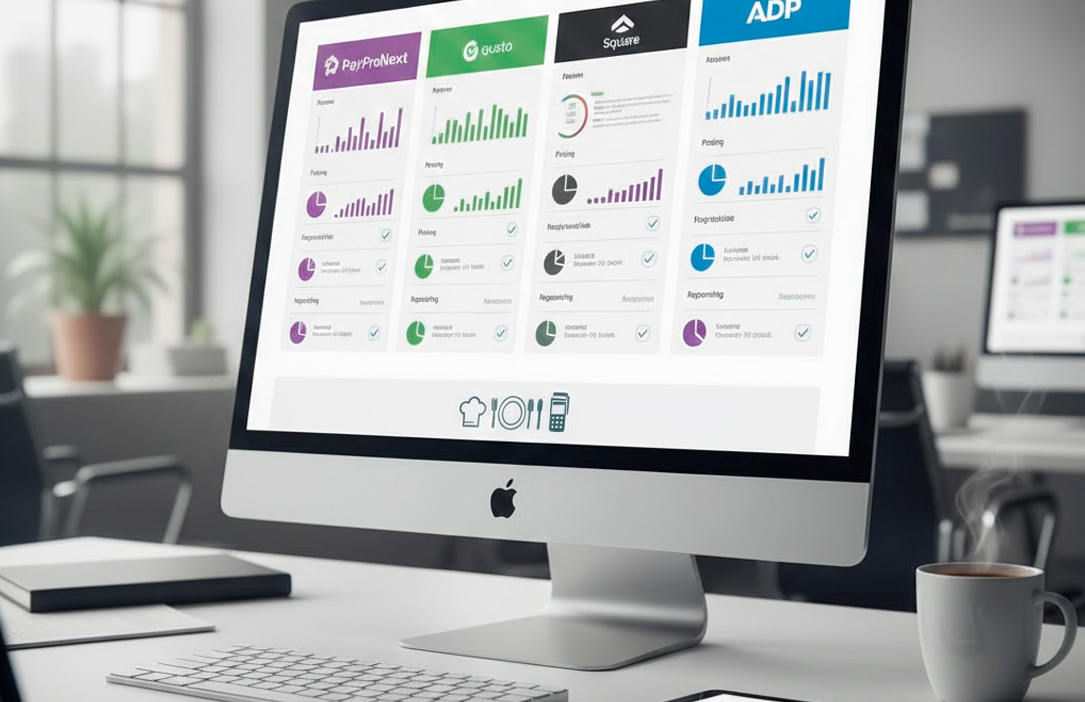
Use automated payroll software that calculates wages, deductions, and taxes accurately. Manual payroll is error-prone and inefficient, especially as your team scales. A reliable system like PayProNext eliminates calculation errors, ensures timely disbursement, and maintains a full audit trail.
Step 3: Train HR & Management
Compliance training should not be a one-time onboarding checkbox. Conduct annual training sessions for managers and HR on updated labor laws, anti-discrimination standards, and documentation practices. Supervisors who understand compliance create compliant teams.
Step 4: Conduct Regular Audits
Schedule quarterly internal HR and payroll audits to identify gaps before they become violations. Review employee classifications, benefit enrollments, overtime records, and tax filings. Catching a mistake internally is always cheaper than having a regulator catch it for you.
Step 5: Maintain Transparency
Communicate openly with employees about their rights, pay structures, and how company policies affect them. Transparency doesn't just protect you legally, it creates a culture of mutual respect where people actually want to show up and contribute.
Workplace Compliance Checklist (2026)
Use this checklist as a quick-reference tool for your compliance audit:
✅ Follow all applicable federal, state, and local labor laws
✅ Ensure payroll accuracy correct wages, overtime, and deductions every pay period
✅ Maintain complete and secure employee records (I-9s, offer letters, performance reviews)
✅ Conduct HR and payroll compliance audits at least quarterly
✅ Train employees and managers on workplace policies annually
✅ Verify proper worker classification (employee vs. contractor)
✅ Keep up with regulatory changes, federal, state, and local law updates
✅ Have documented anti-harassment, anti-discrimination, and workplace safety policies in place
How Payroll Systems Play a Key Role in Compliance & Retention
The backbone of workplace compliance is an airtight payroll system. Here's why the right payroll platform changes everything:
- Accurate payments: Automated calculations eliminate human errors in wages, tips, bonuses, and deductions.
- Tax compliance: Automatic federal, state, and local tax withholdings and filings keep you ahead of deadlines and penalties.
- Reporting automation: Real-time dashboards and auto-generated compliance reports give HR teams full visibility without manual data crunching.
- Reduced risk: A centralized, audit-ready system means your records are always in order, whether for an IRS inquiry or an internal review.
PayProNext is built for exactly this challenge. Our all-in-one HR and payroll compliance platform helps growing businesses automate payroll processing, stay current with tax regulations, manage employee records, and generate compliance reports all in one secure dashboard. Whether you're a startup with 10 employees or a scaling company with 500, PayProNext gives you the infrastructure to build a workplace where people actually want to stay.
Real Business Scenarios
Scenario 1: Non-Compliant Workplace → High Turnover
A regional retail chain with 200 employees handled payroll manually using spreadsheets. Overtime miscalculations, inconsistent break time enforcement, and missing anti-harassment training led to three EEOC complaints in one year, two wage-theft lawsuits, and an annual turnover rate of 65%. Recruitment costs exceeded $300,000 annually, far more than the cost of building a compliant system from the start.
Scenario 2: Compliant Workplace → Strong Retention
A healthcare staffing firm in Chicago implemented a full HR and payroll compliance overhaul, automating payroll, updating all employee handbooks, launching quarterly manager training, and setting up real-time compliance dashboards. Over two years, turnover dropped from 52% to 21%, employee satisfaction scores rose 34%, and the company attracted 40% more job applicants due to improved Glassdoor reviews. Compliance paid for itself in under eight months.
Frequently Asked Questions
What is workplace compliance?
Workplace compliance means adhering to all federal, state, and local laws and internal policies that govern employment, including labor laws, payroll regulations, workplace safety standards, and anti-discrimination requirements. It creates a legal and ethical foundation for how employees are hired, paid, managed, and protected.
How does compliance affect employee retention?
Compliant workplaces create environments built on fairness, trust, and transparency. When employees are paid accurately and on time, treated with respect under clear policies, and protected by law, they feel valued, and they stay. Non-compliance sends the opposite message and accelerates voluntary turnover.
What are the key compliance requirements for employers in 2026?
Employers must comply with FLSA, FMLA, ADA, Title VII, OSHA standards, ACA provisions, and all applicable state wage laws. Additionally, keeping up with evolving pay transparency mandates and remote-work labor laws is increasingly important in 2026.
How can businesses improve workplace compliance?
Start with a compliance audit to identify gaps, then invest in automated payroll and HR systems, update your employee handbook, train managers regularly, and conduct quarterly internal reviews. Partner with HR compliance experts or use platforms like PayProNext to stay ahead of regulatory changes.
What tools help ensure workplace compliance?
Dedicated HR and payroll compliance platforms like PayProNext automate tax filings, track labor law updates, manage employee records, and generate audit-ready reports. These tools eliminate manual errors and give HR teams the visibility they need to stay compliant without the administrative burden.
Final Thoughts
Compliance isn't just a legal obligation; it's a cultural commitment. The most successful workplaces in 2026 aren't just the ones with the best perks or the biggest salaries. They're the ones where employees know their rights are respected, their pay is accurate, and the rules are applied fairly to everyone.
When employees feel secure legally, financially, and professionally, they don't leave. They contribute, they grow, and they bring others like them into the organization. That's the compounding return on compliance.
Smart, modern HR systems make it easier than ever to build and maintain a compliant workplace without the manual headaches. The question isn't whether you can afford to invest in compliance. It's whether you can afford not to.
Ready to build a compliant workplace your employees actually want to stay in?
PayProNext makes it simple. From automated payroll compliance to real-time HR reporting, we give your business the tools to stay compliant, reduce turnover, and create a workplace people choose every day.
| ➡ Get Started with PayProNext Today www.paypronext.com |