

How to Pay Remote Workers: Payroll & Employment Issues Small Businesses Must Know
Date Released
30 December, 2025
Hiring remote employees has become essential for small businesses seeking greater flexibility and access to a wider talent pool. But remote workers' payroll is not only about writing of the checks; there is also a need to manage the remote employee payroll issues and tax withholding in various states.
Small business entities tend to find it difficult to cope with multi-state payroll, employment tax, and legal compliance. Not controlling these aspects properly may result in expensive fines and unhappy workers.
This guide will take you through all the information that you need to know in order to pay the remote workers correctly and efficiently and remain in compliance in the year 2026.
Understanding Remote Employee Classification
Identifying whether your worker is an employee or a contractor is one of the first steps in the management of remote payroll. There are tax and legal repercussions of misclassification.
Employee vs Contractor
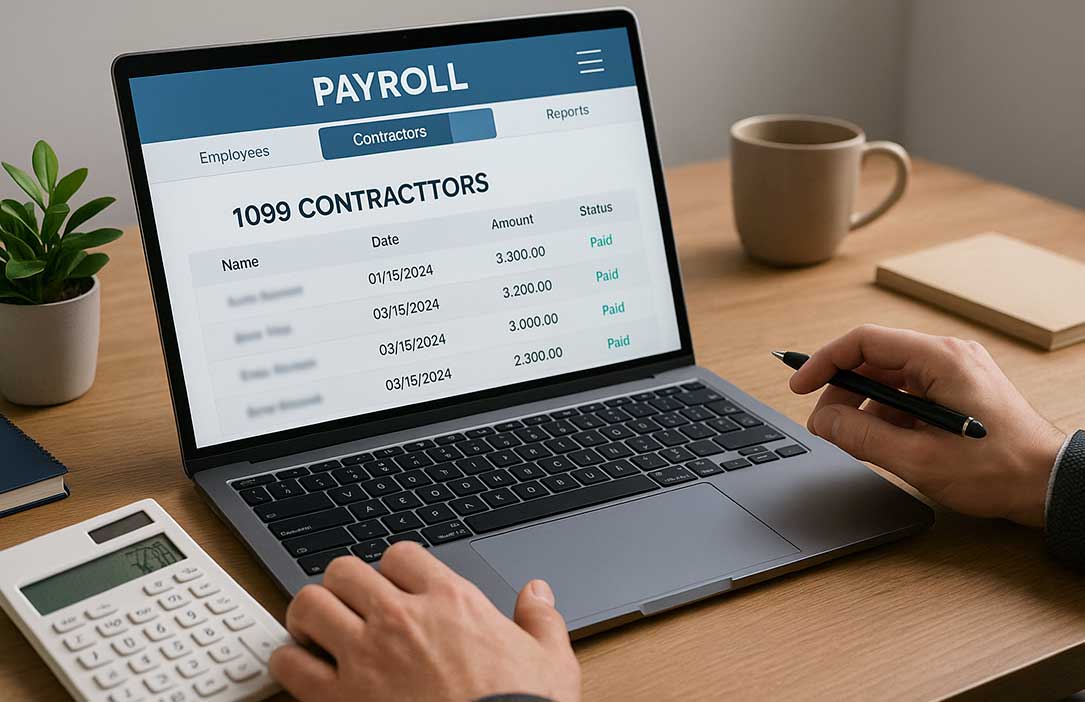
Employees can have benefits, wage security, and the employer pays their payroll taxes. Contractors, however, pay their own taxes and are not usually given benefits. It is important to understand remote contractor vs employee pay as a requirement of payroll planning.
Payroll, Benefits, and Tax Implications
Proper classification has an influence on payroll schedules, tax payments, and benefits eligibility. Businesses must follow applicable regulations related to the remote employee classification and provide relevant benefits (remote employee benefits) to an employee in case the latter is employed remotely.
Federal and State Considerations
Federal and state payroll laws also require employers to take into account and ensure that employment in remote work complies with them. All states differ in terms of wage reporting, unemployment insurance, and paid leave. The multi-state compliance is particularly important in cases where the employees can be employed in other states, not at the headquarters of the business.
Payroll Setup for Remote Workers
Establishing a streamlined payroll process for remote workers prevents mistakes and ensures compliance.
Payroll Setup Steps
Begin with a remote employee payroll set-up checklist that will include necessary details, including tax forms, bank information, and benefits registration. A regular payroll process for remote workers can help keep proper records and minimize the chances of errors.
Payroll Software and Automation
Payroll software may be invested in and can save time, increase accuracy. The current solutions are payroll automation for remote teams and payroll-software integration, linking it to accounting software and HR systems to process without issues.
Direct Deposit and Pay Frequency
Remote people can be paid by direct deposit, which is the most effective method (direct deposit remote pay). Publish payment schedules clearly and make sure they are compliant with state legislation with regard to the frequency and timing of payments.
Employment Tax Considerations
Understanding payroll taxes is crucial for any remote workforce.
Federal Payroll Tax Withholding
Employers are required to correctly deduct federal taxes based on the paychecks of remote workers (remote employee tax withholding). The employees are expected to fill in the W-4 remote tax withholding form that will give them the required data to calculate federal income taxes.
State and Local Tax Obligations
The remote workers might be living in states that have varying tax policies and regulations. Business organizations need to take care of the state taxation aspects, consider nexus payroll arrangements, and treat multi-state payroll remote workers properly to avoid penalties.
Workplace vs Telecommute Payroll Differences
The rules for employees who work at home and those who work in the workplace are different in some states. Knowledge of workplace vs telecommute payroll tax differences will ensure that the local employment laws are observed and avoid tax controversies.
Compliance Challenges for Remote Payroll
Managing payroll for a remote workforce introduces compliance complexities.
Multi-State Payroll Compliance
Those firms that have workers across states have extra obligations. To avoid paying fines and audits, it is important to ensure compliance on remote workforce payroll and compliance with remote work payroll laws.
Recordkeeping and Reporting
Payroll records must be well-maintained to illustrate compliance with wage and tax regulations. Maintaining a good record of the hours worked, rates paid, and deductions is useful in controlling the problem of employing a remote workforce.
Handling Deductions and Benefits
It is important to use deductions (health insurance or contributions towards retirement) properly. Maintain compliance through closely overseeing remote employee deductions and providing remote employee benefits where it is applicable.
Best Practices for Paying Remote Workers
Following best practices reduces errors and ensures smooth payroll operations.
Avoiding Common Mistakes
Mistakes in payroll can be costly. Follow guidelines on how to pay remote workers without mistakes and stay updated with the remote employee payroll compliance 2026 rules.
Timely and Accurate Payroll
Make sure that payroll is completed in time and figures are accurate. Proper payroll taxes, remote workers and best practices of payroll in remote hiring will create trust and legality amongst the employees.
Outsourced Payroll and Consulting
Remote payroll compliance service, remote hiring and payroll solution and small business remote payroll services can be of help to small businesses. Outsourcing or consulting is guaranteed to make sure that it complies, decrease administrative load, and offer expert advice on complicated cases.
Payroll Solutions for Small Businesses with Remote Teams
Exploring the right payroll solutions is essential for managing a remote workforce effectively.
Outsourced Payroll Services
Outsourced payroll removes the complexity of multistate compliance and tax reporting (outsourced payroll for remote workforce, multi-state payroll service). Companies can concentrate on expansion and leave the payroll issues to the professionals.
Automation and Consulting
The application of automated payroll systems ( remote worker payroll consulting, payroll services for remote workers ) will minimize human errors and shorten the payroll cycles. There can be consulting services that assist in overcoming the compliance problems, tax filing, and benefit administration.
Choosing the Right Solution
Selecting the ideal payroll solution involves evaluating your workforce size, state requirements, and budget. Prioritize solutions that streamline payroll, ensure compliance, and integrate with your existing systems (payroll solutions for remote business owners).
Conclusion
Compliance is not the only reason why remote workers should be paid well, as it is about building trust, promoting efficiency, and avoiding costly fines. The small businesses have to be careful when it comes to classification, tax withholding, multi-state regulations, and benefits management. Payroll software, automation, consulting services, and the correct classification of employees contribute to simplifying the processes with their use.
Proper solution investment will make your remote employees feel satisfied and remain with the company since they are paid correctly and on time. Remote payroll services are the simplest way to streamline your operations in a small business and remain in compliance in 2026.
Struggling with remote payroll compliance?
Explore our reliable payroll solutions for remote teams and stay compliant in 2026